Kaikale connects the simplicity of place with the things we live with. It's not about trends or mass production, but creating furniture that feels like it's always been there, quietly fitting into your life.

the town of magadi

Town of Magadi

making is part of everyday rhythm

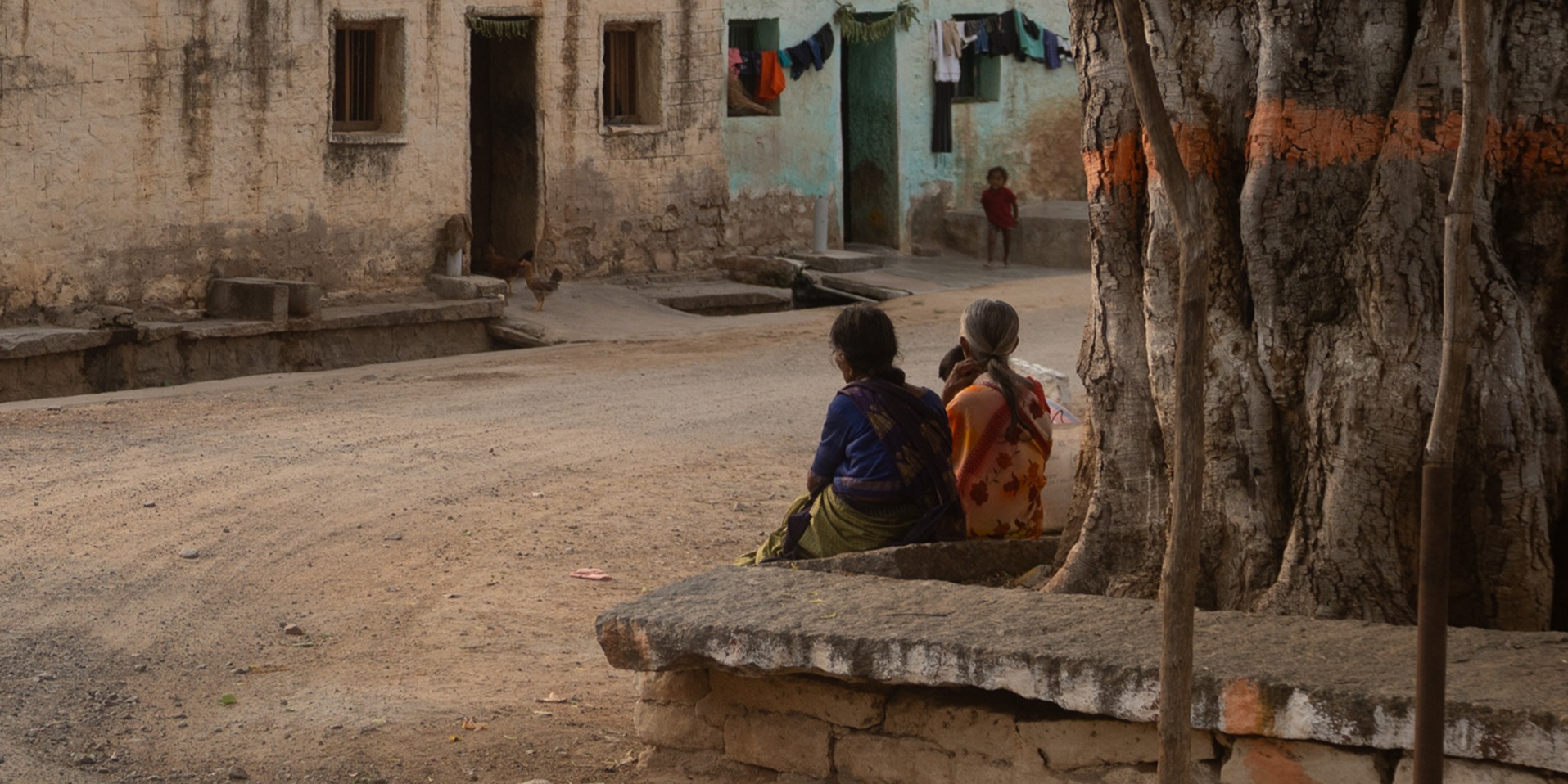
Magadi sits quietly between rock, red earth, and coconut groves. It is a place that does not announce itself. Life here moves at a measured pace, guided by seasons, by land, by familiarity.

This is where Kaikale belongs. Not as a destination, but as a condition. The landscape teaches restraint and usefulness. Nothing is excess. Everything has a reason to exist. The furniture that comes from here carries that same calm. It does not try to impress. It settles in. It feels like it has always been there.
the people of magadi

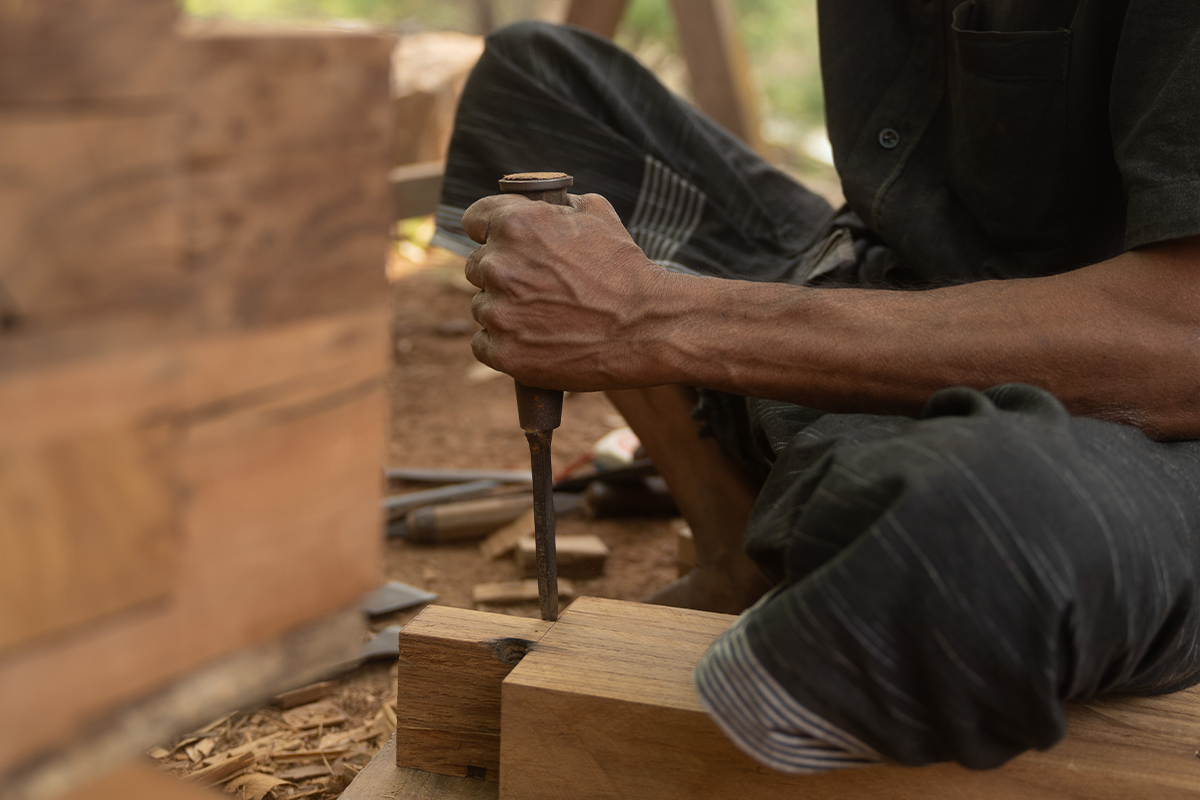
Shaped by people who work closely with their hands — artisans, carpenters, farmers, families whose knowledge comes from repetition and time. Skill here is not performative. It is lived.

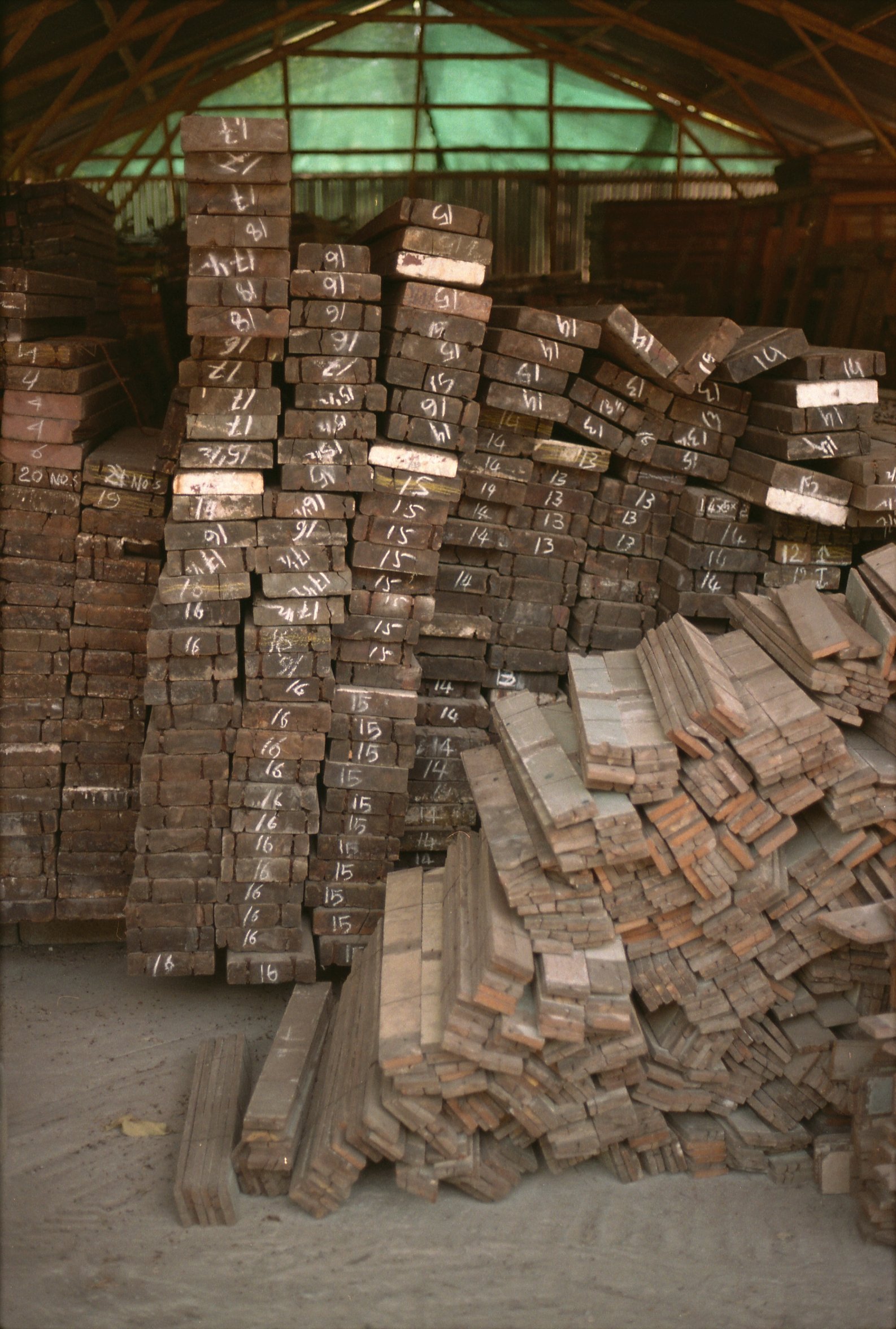
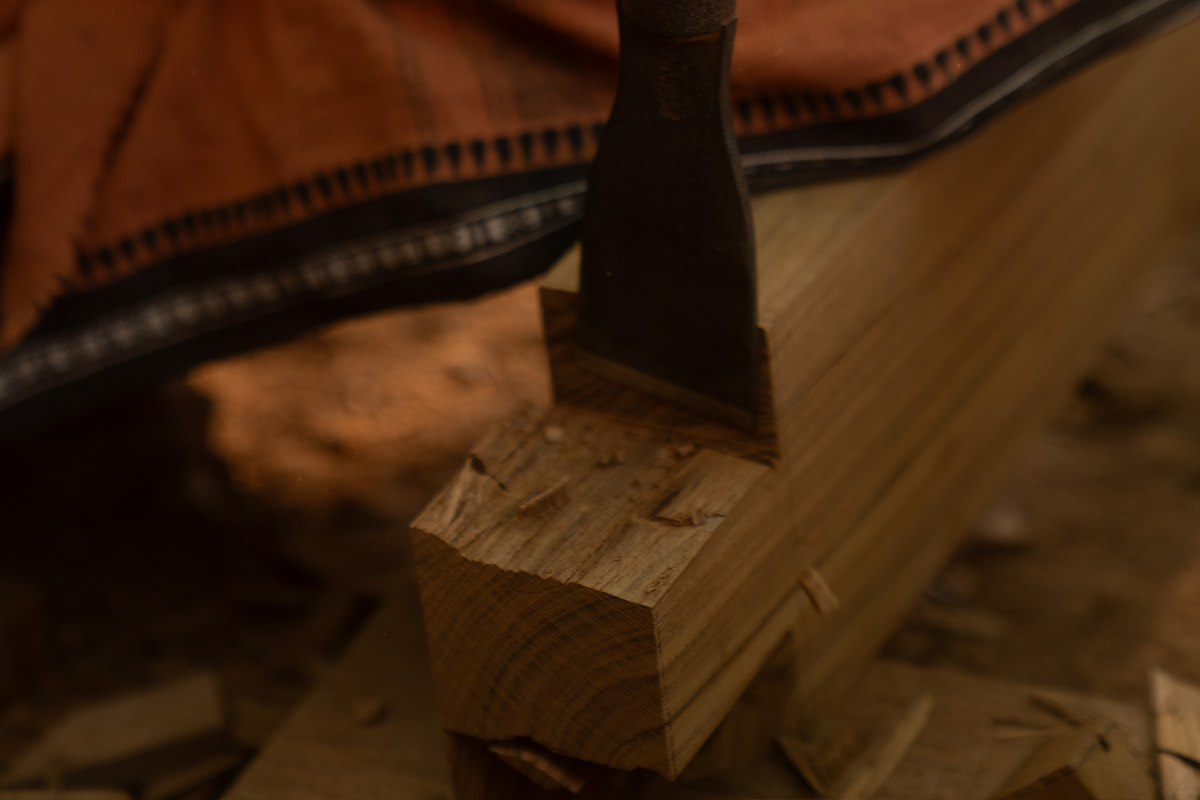
Materials are understood intuitively, by weight, grain, sound, resistance. This closeness to material defines the way Kaikale works. Every piece carries traces of these hands and this way of living.

hands and heart of kaikale

Kaikale workshop
Artisan at work

Artisan at work
The artisans Kaikale works with are based in and around Magadi, carrying knowledge shaped by years of working with wood. Their understanding is tactile rather than taught, formed through repetition, correction, and time spent with material. This closeness between hand, material, and place gives each piece its quiet character — rooted, honest, and unmistakably made.

Kaikale means "made by hand" — in Kannada. It focuses on creating furniture that fits naturally into life. It's about making pieces that feel connected to the place they come from, carrying a quiet history and presence. Each item serves as part of the moments it becomes a part of, grounding them with something real and lasting.

Magadi landscape